Otto Friedrich · 2 September 2026
UK ports have recorded their highest cargo volumes in over a decade as global trade patterns continue to evolve. Official figures show total throughput reached 462 million tonnes in the past year, marking a 14 percent increase compared with the previous period. The rise reflects stronger demand for imports and exports across key sectors including energy, manufacturing and consumer goods.
Container Traffic Drives Growth
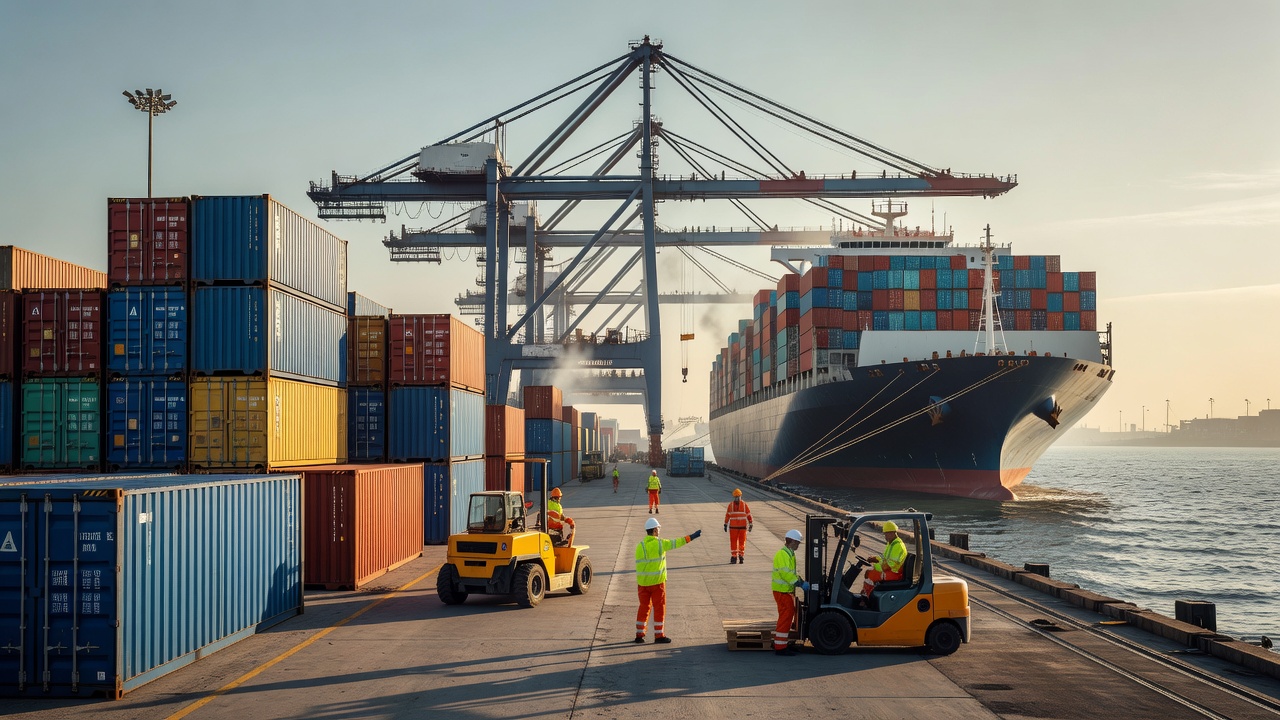
Container handling at major facilities expanded significantly, with volumes up 18 percent year on year. Ports along the east coast benefited most from redirected shipping routes following disruptions in the Red Sea and adjustments in Asian supply chains. Harborway Port reported a 22 percent jump in container movements, handling 1.8 million twenty-foot equivalent units. Bulk cargo also rose, supported by higher imports of grain, minerals and liquefied natural gas. Industry analysts attribute the surge to companies diversifying suppliers away from single regions and building larger inventory buffers.
Operational efficiency improved through new terminal investments and digital tracking systems. Average vessel turnaround times shortened by nine percent at the busiest locations. Employment in port logistics grew by 6,500 positions nationwide, easing some pressure on local labour markets. Smaller regional ports also recorded gains, though capacity constraints limited further expansion at several sites.
Trade Route Adjustments Continue
Global shifts have prompted carriers to favour longer but more reliable routes around the Cape of Good Hope. This change increased transit times yet boosted volumes at UK hubs positioned for transatlantic and northern European trade. Export growth was strongest in automotive components, pharmaceuticals and high-value machinery, while imports of electronics and apparel remained robust. Government data indicate the port sector contributed an additional £2.3 billion to the economy through direct and indirect activity.
Challenges remain around infrastructure upgrades and environmental compliance. Several operators are accelerating plans for shore power and low-emission equipment to meet upcoming regulations. Trade bodies expect volumes to stay elevated into next year provided geopolitical tensions do not trigger further route volatility. Overall, the performance underscores the adaptability of UK ports within an increasingly complex international trading environment.